
明日之星
Chinese Embassy firmly rejects NZ intelligence report hyping 'Chinese interference,' says claims rife with Cold War thinking_我的网站

A | 近日,某经济学者“宇树研发经费低于牧原”的言论近日引发热议。

China has firmly rejected and condemned a new annual report by the New Zealand Security Intelligence Service on Friday which once again fabricates and sensationalizes claims about so-called "Chinese interference" and "China threat," stressing that the report is rife with Cold War thinking and contains unfounded accusations against China.
This report is clearly linked to a series of recent negative developments in New Zealand's China-related policies, a Chinese expert told the Global Times on Friday.
Recently, New Zealand has continuously toughened its rhetoric toward China, which to some extent reflects a form of "compensatory hawkishness" aimed at demonstrating its reliability within the Five Eyes alliance, Chen Hong, director of New Zealand Studies Centre, East China Normal University, told the Global Times. "Rather than reflecting 'strategic confidence,' this trend may reveal a sense of 'identity anxiety,'" Chen said.
The New Zealand intelligence agency claimed in the report released on Thursday that China is the only nation pursuing espionage in New Zealand at scale, Radio New Zealand reported. It also claimed that such activity posed threat to New Zealand, which is the "most challenging of recent times."
Many of its unfounded accusations against China either maliciously label normal exchanges, communication and cooperation as so-called espionage or interference activities, or are simply baseless fabrications. China absolutely rejects and firmly opposes this, the Chinese Embassy in New Zealand said in a statement released on Friday.
The release of this report at this time is part of a new round of attacks, smears and vilification of China orchestrated by certain international forces. In itself, the report may well be the result of foreign interference, the embassy said.
In June, security agencies from the "Five Eyes" alliance issued a warning, claiming that Chinese spies used online job platforms to recruit people with access to sensitive information, according to a Reuters report.
For now, the annual report has further escalated its rhetoric, effectively creating a chain in which the Five Eyes' warnings and New Zealand's domestic threat assessments reinforce and echo each other, the Chinese expert said.
The Lowy Institute said in a latest article on Thursday that New Zealand had long been considered the weakest link in Five Eyes and the easiest for China to try to cow. "But New Zealand has now called out China by name in its intelligence warnings so often that officials joke it has become tougher on Beijing than Australia is," the article said.
The extent to which New Zealand's intelligence agencies have publicly singled out China has in fact gone further than Australia's, which, I think, represents a compensatory hardline posture, Chen noted.
"New Zealand wants to demonstrate that it is a very active and very tough member of the Five Eyes. In fact, we have recently seen New Zealand take a high-profile stance on issues ranging from Pacific Island countries and China's relations with South Pacific and South China Sea nations to China's missile tests and other China-related issues. All of these developments can be viewed in the context of this policy shift," the expert said.
This suggests that some forces within New Zealand's security and foreign policy establishment are consciously trying to demonstrate that New Zealand is not a weak link in the Five Eyes alliance, but rather an active participant, Chen added.
The report also reflects the fact that some people both within and outside New Zealand do not want to see China-New Zealand relations develop positively. By going to great lengths to spread rumors, they seek to drive a wedge between the peoples of the two countries, create a chilling effect among the public, including overseas Chinese, undermine bilateral mutual trust, and obstruct the development of bilateral relations, the embassy noted.
Their actions serve geopolitical purposes and the narrow, short-sighted political interests of certain forces. Their intentions are clear to anyone with insight, and their objectives will not succeed.
The embassy also noted that the essence of China-New Zealand relations is mutually beneficial cooperation and win-win outcomes. In recent years, with the joint efforts of both sides, bilateral relations have made steady progress. Bilateral trade has repeatedly reached new highs, bringing substantial income and employment opportunities to New Zealanders.
People-to-people exchanges have continued to grow, with the numbers of tourists and international students increasing steadily, promoting mutual understanding and closer ties between the peoples of the two countries. The overseas Chinese community in New Zealand has played a unique and important positive role in this regard.
Since China introduced a unilateral visa-free policy for New Zealand, many New Zealand tourists have visited China, witnessing firsthand China's development achievements and openness and inclusiveness, the embassy said.
As a result of various factors, New Zealanders' understanding of China has become more comprehensive and objective in recent years, while favorable views of China and support for China-New Zealand relations have continued to rise
The embassy also warned those forces and individuals attempting to engage in political manipulation: Do not undermine the hard-won, mutually beneficial and win-win China-New Zealand relationship for your own selfish interests, thereby harming the interests of New Zealand and its people.
Acting as pawns for anti-China forces internationally will ultimately prove counterproductive. Creating controversies in foreign relations will not solve New Zealand's problems; it will likely only make matters worse, the embassy said, urging these forces and individuals not to resort to desperate measures that will ultimately harm themselves, or lift a rock only to drop it on their own feet.
China attaches importance to its relations with New Zealand and is willing to work with the New Zealand side, on the basis of the consensus reached by the leaders of the two countries, to advance exchanges and cooperation in various fields, including political mutual trust, practical cooperation and people-to-people exchanges, and to better benefit the peoples of both countries, the embassy said.
However, the development of China-New Zealand relations does not depend on China alone. We hope the New Zealand side will work in the same direction as China, rather than the opposite. Otherwise, the New Zealand side will bear responsibility for any consequences arising from such a course of action, it noted.
。

B | 明星人形机器人企业与传统养殖龙头的研发金额对比,自带强烈的反差传播效应,也戳中了市场对硬科技企业 “含金量” 的疑问。

C |
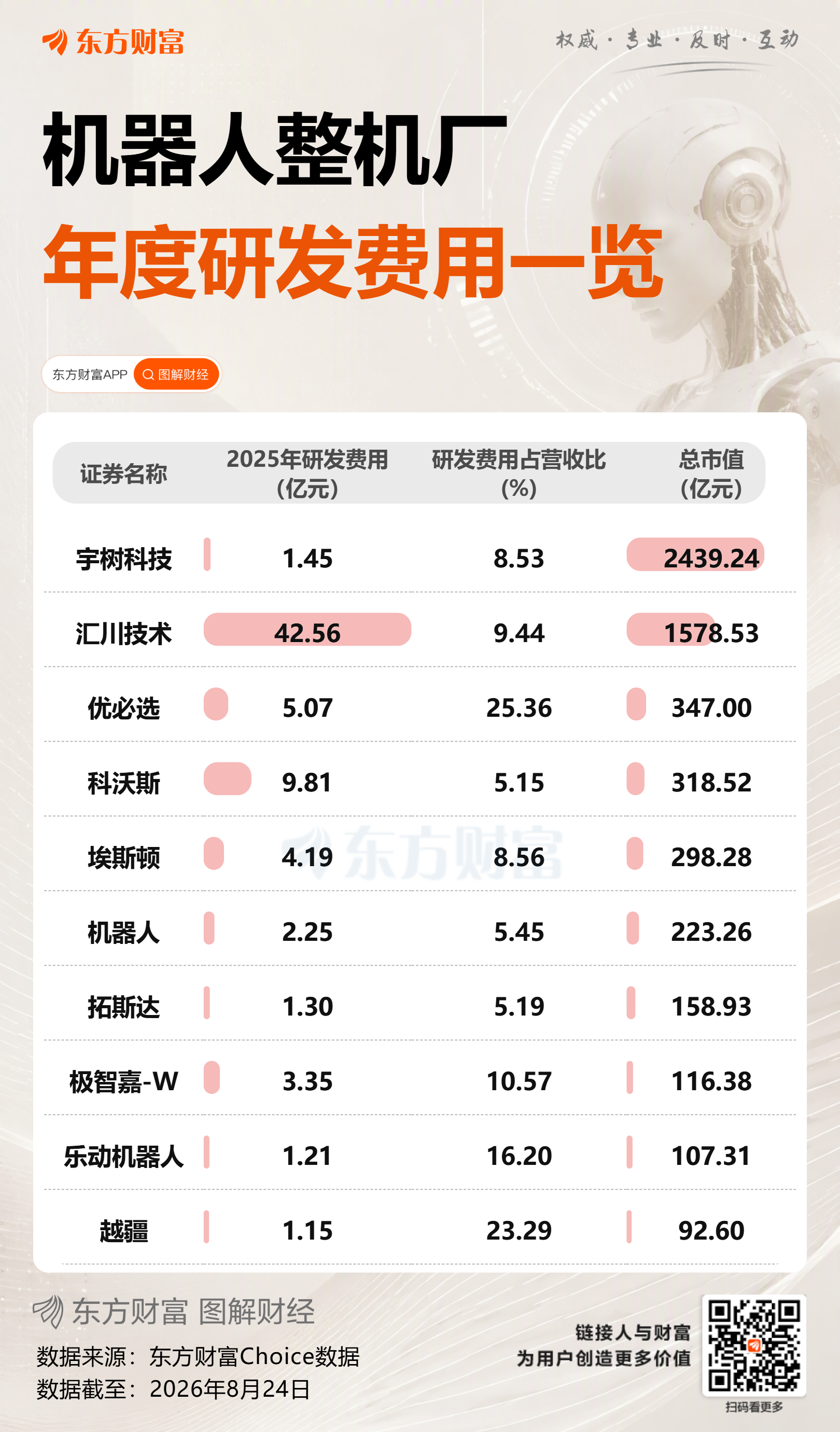
从绝对金额看,该表述并非虚言。宇树科技招股书显示,2023至2025年公司累计研发投入2.65亿元,其中2025年研发费用1.45亿元;牧原股份2025年年报披露,当年研发费用达16.48亿元,单年规模是宇树的11.4倍。

D | 但换以研发费用率衡量,结论则完全反转:2025年宇树研发费用率为8.53%,牧原仅为1.14%,前者研发强度是后者的7.5倍。

E | 两家公司均采用研发全额费用化的会计处理,口径具备可比性,差异的核心源于营收规模的天壤之别—— 牧原2025年营收1441亿元,是宇树的 85倍。 这种研发费用绝对值对比的本质,是用成熟周期企业的标尺衡量新兴成长企业,本身就存在产业发展阶段的错配。

F | 牧原所处的生猪养殖是成熟的产业赛道,行业增速长期维持个位数,企业增长依赖市占率提升与精细化成本管控。其研发属于典型的精益防守型:投向种猪育种、营养配方、疫病防控、智能环控等领域,核心目标是边际降本、巩固成本壁垒,投入产出周期短且可量化,16 亿元研发对应的是千万级出栏量的效率优化,是成熟制造业的标配动作。

G | 宇树则身处全球渗透率不足 1% 的人形机器人赛道,产业仍处于从 0 到 1 的萌芽阶段。

H | 其研发属于前沿探索型:聚焦运动控制算法、高性能关节、具身智能系统等底层技术,目标是定义产品标准、开辟全新应用场景,技术回报周期长且不确定性高。

I | 资本市场给予宇树高估值,定价的是未来万亿市场的增长期权,而非当下的营收与利润。用成熟企业的研发绝对值评判新兴科技公司,类似于用成熟车企的研发预算对比初创电动车企,数字可比但商业含义完全不同。 真正值得市场关注的,从来不是 “研发有没有养猪多”,而是宇树研发投入的效率与长期可持续性。一方面,三年累计 2.65 亿元的研发投入,便实现了四足机器人到人形机器人的产品跨越,并率先完成规模化盈利,这一效率在全球同赛道普遍大额亏损的背景下格外突出。其 “小步快跑、营收反哺研发” 的务实路线,也是中国硬科技企业的典型成长路径。 另一方面,研发费用率的快速下滑值得警惕。从 2023 年的 31.4% 降至 2024 年的 17.8%,再到 2025 年的 8.53%,研发增速远低于营收增速。当前人形机器人技术路线远未定型,核心部件、算法迭代仍在快速演进,若后续投入强度未能跟上行业节奏,短期的产品领先优势未必能转化为长期技术壁垒。 值得注意的是,宇树此次IPO募资42亿元,其中85%将专项用于研发,最大单笔投向大模型研发的金额达20亿元。过去三年累计研发费用2.65亿元,而IPO后第一笔大模型投入就是这一数字的7倍多。这预示着宇树正在从“硬件公司”向“软硬一体平台”转型,研发投入的量级将发生质变。 说到底,养猪的研发并不 “低端”,机器人的研发也不天然 “高端”。评价宇树的研发,不应止于“花了多少钱”的绝对值对比,而应关注三个核心问题:研发投入增速能否跟上行业迭代;核心技术自研比例有多高;技术优势能否持续转化为商业竞争力。 牧原靠持续研发筑起的成本护城河,是成熟制造业的创新价值;宇树在有限投入下实现的技术突破,是新兴产业的成长价值。

J | 对市场而言,与其沉迷跨界对比的反差感,不如回归产业本质:对成熟企业看研发的投入产出效率,对新兴企业看技术的长期壁垒厚度,这才是评价研发价值的公允标尺。 东财图解·加点干货
 (文章来源:科创板日报)。
Current article:http://462shvg.loukachunwenghongchuikui.shop/list_e3i1j/qiilds.html
Published on:19:00:01
 两网“十五五”规划出炉 新型电力系统建设进入落地期
 【五好文幼 · 好吃的】沈河区文化路幼儿园[2024年12月16-20日]食谱
 今日“围剿威信”三大产品曝光:多闪、马桶山、聊天宝
 破案了 Ox-Alpha牛来大模型是中国AI:智谱实现算力自由
 奥克兰西区购物中心发现“持枪”男子 武装警察出动
 特斯拉Robotaxi开启运营 主驾没有驾驶员 单次收费约合人民币30元
- ·超700马力/2027年3月推出 全新宝马M3纯电动版内饰谍照曝光
- ·上周末又有30多个医疗和礼拜场所收到威胁邮件,警方正在全力追查
- ·奥克兰两名司机逃逸后发生事故,一行人受伤,警车被撞
- ·荣耀MagicBook V 14 2022开启预约:搭载荣耀独门绝技OS Turbo_续航_独显
- ·中信期货:原油供应偏紧格局延续,关注美伊地缘走向
- ·MLB&NY 潮牌奥特莱斯2026夹克男春秋季宽松休闲情侣棒球服外套 绿色 XL
- ·修路惠民暖人心
- ·每天800元雇人“无限续杯”!男子狂薅车企40万羊毛,车企无奈报案;检方定性:诈骗罪
- ·灵巧手:人形机器人真正落地的那道关
- ·江苏体育局:苏超决赛在南京奥体进行,未来会和各市共同办好联赛
- ·京东电器年1月12日收票指南:手机收票减少2019年,抢笔记本888元票
- ·意媒:那不勒斯今日训练备战科莫,巴迪亚西勒全程参与合练
- ·俄罗斯更换防长:绍伊古的退与别洛乌索夫的进
- ·马克龙称大部分乌粮食给了“最贫困国家”,扎哈罗娃:话很美好_俄罗斯_欧盟
- ·时隔6年,中国曲艺家又将来新加坡!相声、二人转、口技……精彩上演
- ·通宇通讯:上半年归母净利润亏损2233.12万元,由盈转亏
- ·福州增设19处监控设备查处违停、闯红灯等违法行为
- ·还原“平常人”孔繁森
- ·画质党狂喜!英伟达DLSS 4.5光线重建8月25日发布:RTX 20到50全系免费升级
- ·活力中国调研行|仿生电子皮肤 为机器赋予“触觉感知”
- ·性别战争一年后,二游市场基本盘依然稳固
- ·CEO of tech conference resigns amid backlash for statements over Israel-Hamas war
- ·3500万加盟维拉!英超首位日本门将,上演生涯5年4级跳
- ·沪指下跌0.71% 创业板指下跌3.5% 贵金属、煤炭板块逆势走强
- ·美媒:中国找到一个对抗美国的“意想不到的盟国”,不是俄伊朝
- ·马云:脱贫不是消灭穷人,而是消灭贫困。
- ·Chris Evans’ Steve Rogers returns to the MCU in leaked Avengers: Doomsday teaser
- ·从百花奖看国产电影创作趋势
- ·与红发美女深夜同回酒店,“曝包贝尔出轨”冲上热搜,与包文婧结婚10年,去年二胎出生
- ·特朗普媒体CEO为售卖总统帖文优先访问权辩护,称签约客户数量进一步增加
- ·見る機会の減った「2000円札」が12万5000円に大化け!これから“さらに価値が上がりそう”な紙幣とは?
- ·李宁就产品设计发布声明